When to Watch Wildlife | J | F | M | A | M | J | J | A | S | O | N | D | Search |
Current wildlife highlights | ||
| What's new on this site | ||
| Wildlife calendar | ||
|
Plants and Animals | ||
| Habitats | ||
| Wildlife sites | ||
| WWW links | ||
|
Guide Books | ||
| ||
© PMcS 2006 |
Coastal breeding birds | ||||||||||||||||||||||||||||||||||||||||||||||||||||||||||||||||||||||||||||||||||||||||||||||||||||||||||||||
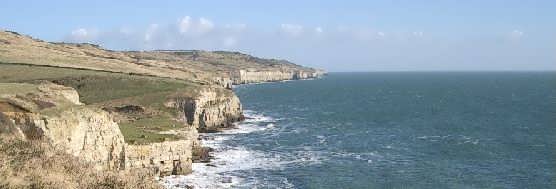
| Go to the main birds page. In Britain we are lucky enough to be blessed with many miles of beautiful sea cliff coastline. The abundant waters around the coast and these cliff habitats provide optimal breeding conditions for many sea birds. However it would appear that diminishing fish stocks have caused disastrous failures over the last few years in the breeding success of many such birds.
The birds that can be spotted raising their young on narrow and precipitous rock ledges include guillemots, razorbills, cormorants and shags, fulmars and kittiwakes. Where there are protected islands with flat grassland with old rabbit burrows puffins and manx shearwaters can be found. Other species such as common, arctic and little terns, along with many gulls species, favour areas of shingle or grass tussock. On the sea stacks the gannet can be found in it large breeding colonies - such as Grassholm off the Pembrokeshire coast.
puffin In some areas these sea birds nest in such numbers that the noise they make can be deafening and the smell quite over powering. The cliffs are also home to garrulous jackdaws, rock pipits and rock doves. It is the rock doves that, in turn attract the fastest of all birds, the majestic peregrine falcon. Of all the wildlife sights that Britain has to offer, the sea cliffs and sea stacks supporting this diversity of large birds must be in the top three! Make a special effort to visit this spectacle at least once if you can.
| ||||||||||||||||||||||||||||||||||||||||||||||||||||||||||||||||||||||||||||||||||||||||||||||||||||||||||||||

All images and text are copyright PMcS 2006